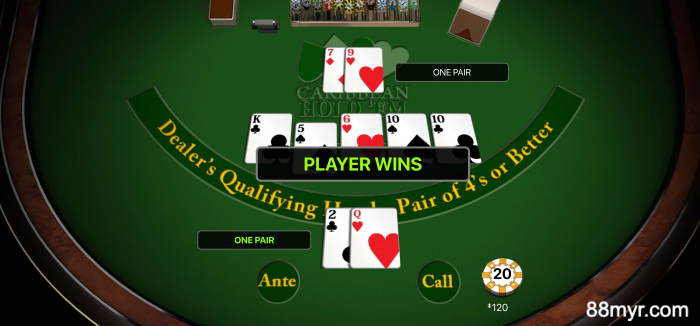
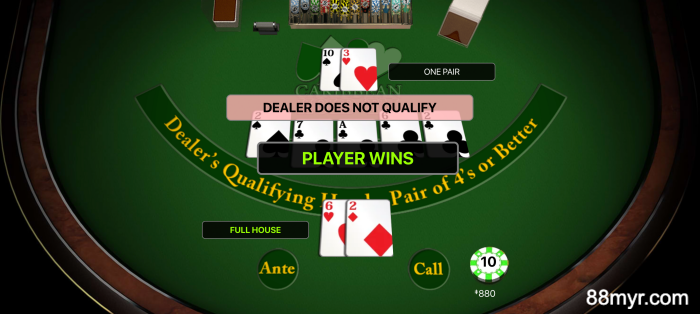
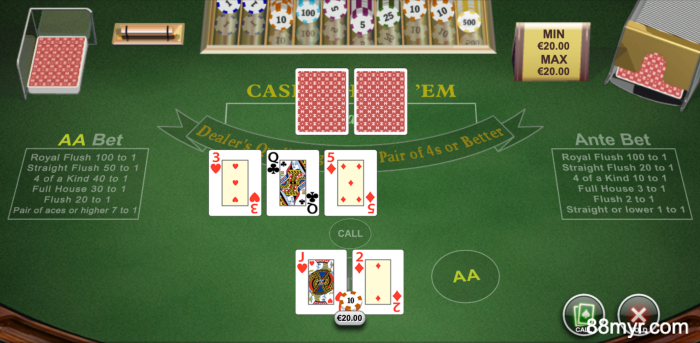
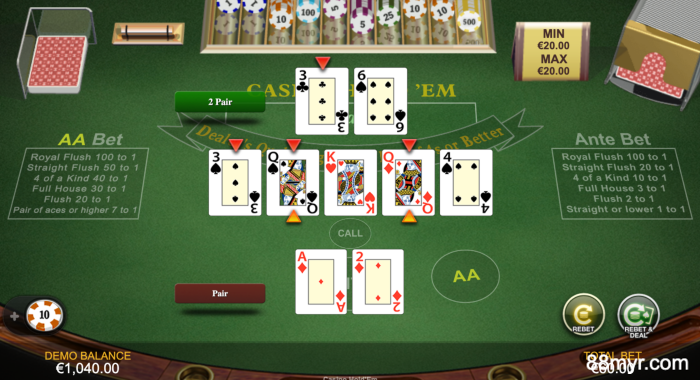
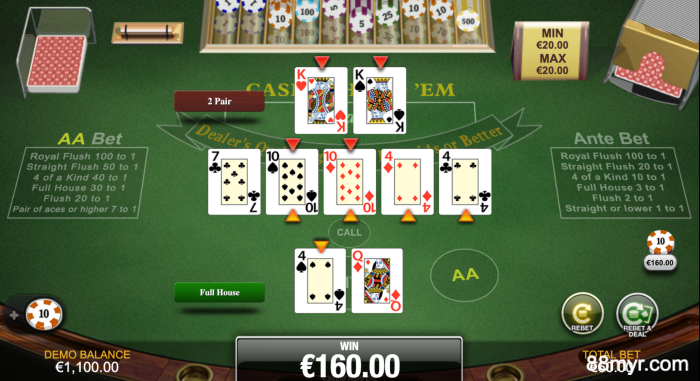
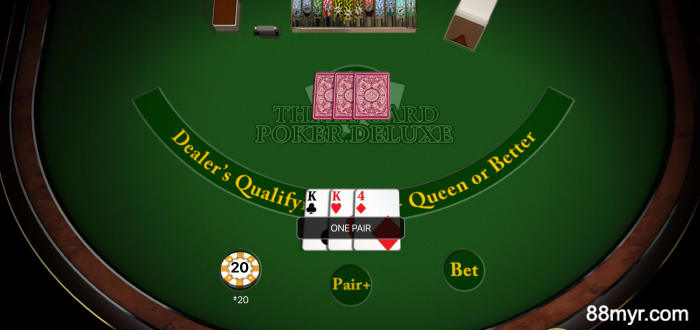
Learn 10 poker tactics for beginners, backed by experts in this guide. From starting hands to advanced moves, plus 05 common mistakes new players should avoid.
Most beginners don’t lose at poker because of bad luck; they lose because they play too many hands, bluff too often, and ignore the basics. The good news is that a handful of simple poker tactics for beginners can fix most of these problems.
This guide walks you through 10 essential tactics for poker
This guide walks you through 10 essential tactics for poker, from choosing starting hands and understanding positions to reading opponents, managing tilt, and using pot odds. We will also cover 5 common mistakes to avoid.
10 Essential Poker tactics for beginners to build a strong foundation
These first 10 poker tactics for beginners cover what every new player needs to know, from choosing hands to play to managing your chips and your emotions. Explore these M88 casino tips starting with #1 and work your way down, since each tactic builds on the one before it.
Essential Poker tactics for beginners to build a strong foundation
#1. Play fewer, stronger starting hands
The fastest way to save chips is to fold more often before the flop. It’s tempting to think ‘any hand can win’ and that’s technically true, but some hands win far more often than others. Most hands you’re dealt will lose, so being picky keeps you out of trouble. The more players in a pot, the lower your chances: with six players, your base chance of winning is about 17%, compared with about 50% heads-up.
Play fewer, stronger starting hands
That’s why strong hands like big pairs (A-A, K-K, Q-Q, J-J) and big cards like A-K and A-Q are worth raising, since a raise thins the field. Medium pairs such as 10-10 and 9-9, or suited hands like K-Q and K-J, are usually worth the call. Easy folds include weak offsuit hands like 7-2 or J-6, and small suited cards, which many beginners overvalue. Tighten up when you act early, and loosen up in late position, when you act after most players.
#2. Understand table position
Position means where you sit relative to the dealer button, and it decides when you act in each hand. Acting last is a big advantage because you see what everyone else does first. The button is the best seat, the cutoff (the seat just before it) is second best, and the blinds act early after the flop, which makes them the toughest spots. Early positions, like ‘under the gun’, have to act with no information, so they need stronger hands.
Understand table position
Online poker makes position easy to track. The dealer button shows on screen and moves one seat after every hand, so your position changes constantly. Many online tables are 6-max, with only six seats, which means every position comes around quickly. Before you click, check where the button is and ask, ‘Am I acting early or late?’ A late position lets you play more hands with less risk, while early position calls for tighter choices.
#3. Know when to bet, call, raise, or fold
Every time the action reaches you online, each button has a job. Bet or raise when you think you have the best hand, since it builds the pot and makes weaker hands pay. Call when your hand is decent but not strong enough to raise. Fold when your hand is weak, or your opponent’s actions suggest they’re ahead, because folding costs you nothing more.
Know when to bet, call, raise, or fold
Before you click, run a quick check: how strong is my hand? Where am I sitting? How many players are still in? What has this opponent done so far? A big bet from a b=player who rarely bets deserves respect, while a small bet from a loose player may mean very little. Remember that your hand is only good or bad compared with what your opponent might hold.
#4. Value betting vs. bluffing
A value bet is a bet with a strong hand, made so that weaker hands will call and pay you. A bluff is a bet with a weak hand, made to push better hands out. Understanding hand rankings in poker helps beginners recognise when they have a strong enough hand to value bet and when bluffing might be worth considering. Most beginners bluff far too often, partly because highlight reels make it look like a winning move.
Value betting vs. bluffing
In reality, solid play wins more pots than fancy bluffs, so focus on value betting first. Online low-stakes tables are full of players who call too much, which makes value betting even better and bluffing less reliable. Save your bluffs for good spots: against one or two opponents, in late position, and when the board makes your story believable. If you can’t explain why a better hand would fold, don’t bluff.
#5. Using statistics and hand history review
One big advantage of online poker is that your play can be tracked. Most sites save your hand history, so you can go back after a session and see exactly where you won and lost chips. Review the biggest pots you lost first and ask whether you could have folded earlier, bet differently,y or avoided the hand altogether. Over time, patterns appear, like calling too often, bluffing too much, ch or playing too many hands from early position.
Using statistics and hand history review
Simple seats can make those patterns easier to spot. VPIP shows how often you put chips in before the flop, and PFR shows how often you raise. If your VPIP is very high and your PFR is low, you’re probably calling too many hands instead of raising strong ones. Keep short notes on opponents, too, such as who bluffs often and who only bets with strong hands. A few minutes of review after each session teaches you more than hours of playing on autopilot.
#6. Reading timing and bet-size tells
You can’t see your opponents online, so the clues come from how they act; that’s one drawback of online poker, and even an advantage for you, since your opponents can’t see you either. Timing is one; an instant call often means a simple hand or a draw, while a long pause followed by a big raise can mean the player is thinking about a tough decision. Watch for changes from a player’s normal speed rather than treating any single pause as a sign.
Reading timing and bet size tells
Bet size is another big clue. Notice whether a player uses the same bet size with strong and weak hands, or whether they bet small when unsure and big when strong. A passive player who suddenly makes a large raise usually has a real hand. Tells are never certain, so use them to support your decision and not to make it for you.
#7. Semi-bluffing and check-raising
A semi-bluff is a bet or raise with a hand that isn’t strong yet but could become strong. Say you hold two spades and the flop brings two more. You don’t have a flush, but plenty of cards can complete one. Betting here gives you two ways to win: your opponent may fold right away, or you may bet your hand later. That makes it safer than a pure bluff, where you only win if the other player folds.
Semi-bluffing and check-raising
A check-raise is when you check first, let your opponent bet, and then raise. It works well against players who like to bet when checked to, and it can be done with a strong hand or as a semi-bluff. Don’t use it with no outs, against players who call too much, or in pots with many opponents. Used sparingly, it keeps online opponents guessing. Not sure whether to call someone else’s bet with a draw? The next tactic covers the numbers.
#8. Pot odds, equity, and implied odds
This tactic is for when you’re facing a bet and wondering whether to call. Pot odds compare the cost of the call with the pot you could win. If the pot is RM30 and your opponent bets RM10, you must pay RM10 to win RM40, which is 4 to 1. That means you need to win about 1 time in 5 (20%) for the call to break even.
Pot odds, equity, and implied odds
Equity is your chance of winning the hand, and it depends on your outs, the cards that improve your hand. A handy shortcut is to multiply your outs by 4 on the flop (two cards to come) and by 2 on the turn (one card to come). An open-ended straight draw has 8 outs, so about 32% on the flop, which beats the 20% you need, so calling is fine. On the turn, it drops to about 16%, which is just short.
Implied odds are the extra chips you expect to win when you hit, which can justify a call that looks slightly too expensive. Don’t count on them against tight or short-stacked opponents, who rarely pay you off. Most online poker apps also show pot odds on screen.
#9. Managing tilt with online tools
Tilt is when frustration or a bad beat makes you play worse, like calling too much, bluffing widely, or raising your stakes to win money back. It’s easy to fall into it online because the next hand is always one click away. The first step is to recognise the signs: a racing pulse, anger at other players, or the urge to ‘get it back’ right away. When you notice them, step away.
Managing tilt with online tools
Online tools can do the stopping for you. Many sites let you set deposit limits, loss limits, and session reminders, and most have a ‘sit out’ or break options so you can pause without leaving your seat. Set your limits before you start,m when you’re calm, and treat them as firm. A short walk, a glass of water, or ending the session early will usually save you more chips than any advanced poker tactics.
#10. Manage your chips and bankroll
Your bankroll is the money you set aside for poker, and it should only ever be money you can afford to lose. Decide on a budget before you play, then split it into small sessions with a fixed buy-in and a loss limit for each one. For example, if you set aside RM100 for the month, don’t risk it all in a single night. When a session’s limit is reached, stop and come back another day.
Manage your chips and bankroll
Stick to low stakes while you learn, since higher-stakes players are usually better and mistakes cost more. Online play makes it easy to rebuy in one click, so never chase losses by topping up after a bad run. Protecting your bankroll keeps you in the game long enough to improve.
05 Common beginner mistakes to avoid when playing Poker
Even with the right poker tactics, a few habits can quietly drain your chips. Most are easy to fix once you know what to look for. Here are the five most common mistakes to avoid when playing M88 online.
Common beginner mistakes to avoid when playing Poker
Playing too many hands: many hands you’re dealt will lose, so every weak hand you play costs you chips over time. Fold the weak ones before the flop and wait for a strong starting hand.
Bluffing too often: low-stakes online tables are full of players who call too much, so frequent bluffs get caught. Value bet strong hands first and save bluffs for good spots, like heads-up in late position.
Chasing draws at any price: calling big bets just to hit a flush or straight is expensive, because most draws miss. Check the pot odds before you call, and fold when the price is too high.
Ignoring position: acting early with a weak hand means you decide with no information about what others will do. Play tighter in early seats and loosen up on the button and cutoff.
Playing stakes you can’t afford: playing with money you can’t afford to lose makes you scared, and scared players make poor decisions. Set a budget and a loss limit, and stay at low stakes while you learn.
Avoiding these five mistakes will stop the most common leaks in your game
Avoiding these five mistakes won’t make you a pro overnight, but it will stop the most common leaks in your game. Pick one or two to work on first, then review your hands after each session to check your progress. Small, steady improvements add up quickly, especially at low stakes.
Conclusion
Learning poker is a long game, and these poker tactics for beginners give you a solid base to build on. Play fewer, stronger hands, respect your position, and bet with a purpose. Practise at low stakes, review your hands after each session, and focus on better decisions rather than quick results.
Poker always involves risk, so treat it as a hobby, not a way to make money. Set time and money limits, and check the laws and age requirements that apply to you before playing online.